Imagine walking outside, breathing in the air, and knowing that the invisible moisture around you could become safe drinking water.
Sounds unbelievable? Not anymore.
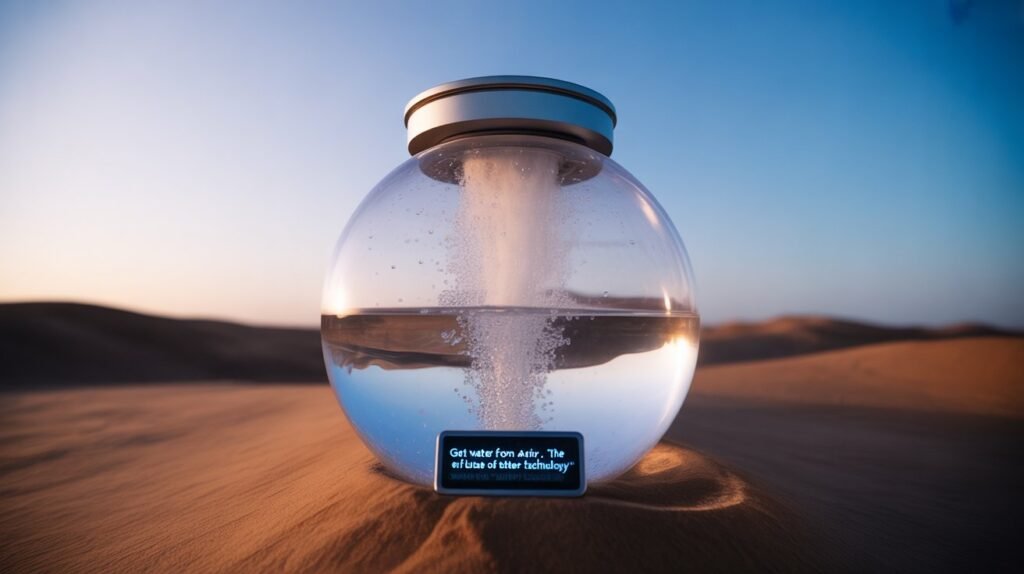
With modern technology, it’s now possible to get water from air using advanced systems known as atmospheric water generators (AWGs) or even smaller water extraction devices.
These machines, sometimes called an H2O machine or water making machine, are changing the way communities, homes, and even industries access clean water.
As water scarcity grows worldwide, this innovation is quickly becoming a practical solution to provide sustainable, clean, and affordable drinking water anywhere, from urban apartments to dry deserts.
Understanding the Concept of Extracting Water from Air
The air around us holds more water than we can imagine.
According to the U.S. Geological Survey, the atmosphere contains around 12,900 cubic kilometers of water at any given time.
That’s billions of gallons floating right above us, waiting to be tapped.
When you pull water out of the air, you’re essentially collecting the moisture in the atmosphere, condensing it, and turning it into drinkable liquid.
This process isn’t magic – it’s pure science.
This approach is often referred to as:
- Atmospheric water generation
- Humidity water collection
- Air-to-water extraction
By using a water generator or atmospheric water generator, you can now make water out of air anywhere in the world, even in places far from rivers or clean groundwater sources.
The Science Behind Atmospheric Water Generation
To get water from air, machines use a process based on condensation. Here’s how it works in simple steps:
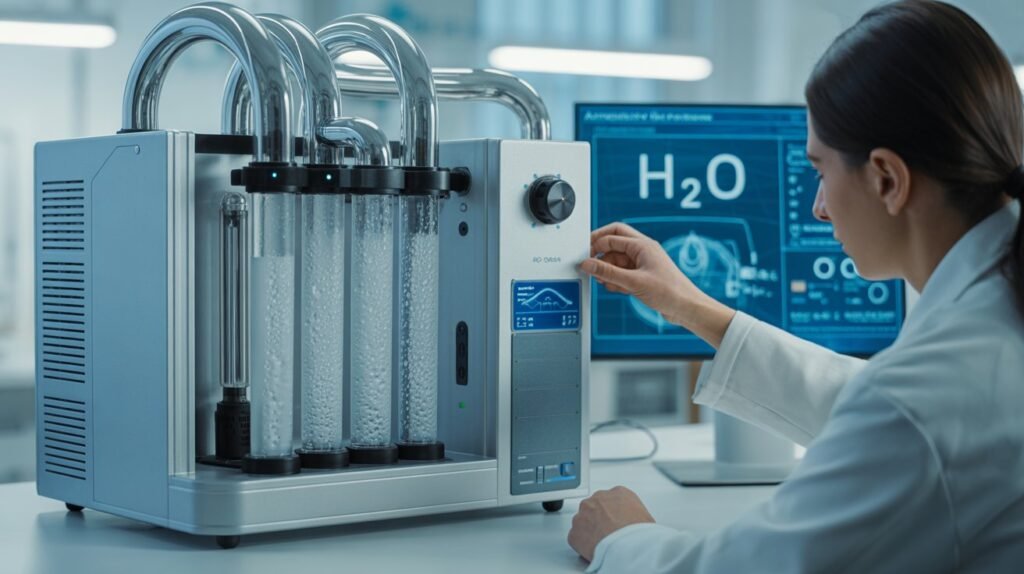
Step 1: Collecting Moisture
The water-making machine pulls humid air into its system using fans and filters.
Step 2: Cooling and Condensing
The air is cooled below the dew point, causing moisture to condense into liquid form.
Step 3: Filtration and Purification
The condensed water passes through filters and UV light or mineralization systems to make it safe and healthy for drinking.
Step 4: Storage and Dispensing
The clean water is stored in a tank, ready to drink just like bottled water—but fresher and often cleaner.
Benefits of Getting Water from Air
The idea of using an atmospheric water generator isn’t just convenient; it’s revolutionary. Here’s why:
4.1. Sustainable and Renewable
Air is everywhere, and so is the moisture in it. Unlike ground wells that can dry up or rivers that can be polluted, air moisture is constantly replenished by the water cycle.
4.2. Perfect for Water-Scarce Areas
In arid regions or places where traditional water sources are unreliable, a desert water extraction device can literally save lives by creating fresh drinking water out of thin air.
4.3. Health and Safety
The water produced is often cleaner than tap water because it bypasses the contamination risks found in pipelines or old storage tanks.
4.4. Cost-Effective in the Long Run
While the initial investment for a water-from-air machine or H20 machine might seem high, it pays for itself by eliminating bottled water purchases and providing a consistent, safe water supply.
Types of Atmospheric Water Generators
Different needs require different machines. Here are the main types of atmospheric water generators available:
5.1. Home and Small-Scale Units
Perfect for households or small offices, these water-making machines can produce anywhere from 5 to 30 liters of water per day.
They are compact, easy to install, and ideal for families wanting clean water without relying on bottled options.
5.2. Commercial and Industrial Units
Businesses, farms, and even schools often rely on larger water-from-air machines that generate hundreds to thousands of liters daily.
These systems are more powerful and can support entire communities in remote areas.
5.3. Portable Units
Some companies have created lightweight, portable water extraction devices for travelers, campers, or emergency relief teams.
These small systems are lifesavers during natural disasters when clean water is difficult to find.
Key Applications of Water-from-Air Technology
The ability to get water from air opens up endless possibilities:
6.1. Residential Use
Families can use a home atmospheric water generator for daily drinking and cooking needs, ensuring consistent water quality.
6.2. Emergency and Disaster Relief
When floods, earthquakes, or hurricanes disrupt water lines, portable humidity water collectors can provide immediate relief.
6.3. Agriculture
Farmers in dry regions can use larger water generators to irrigate crops or provide hydration for livestock.
6.4. Military and Remote Worksites
For soldiers or workers stationed in isolated areas, a desert water extraction device becomes essential.
6.5. Commercial Spaces
Hotels, schools, and offices use atmospheric water generators to cut down on bottled water costs and reduce plastic waste.
Pricing and Cost Insights
If you’re planning to buy an atmospheric water generator for sale, here’s a breakdown of typical costs:
| Type | Capacity | Price Range (USD) |
| Home unit | 5-30 liters/day | $800 – $3,000 |
| Commercial unit | 100-1,000 liters/day | $5,000 – $30,000 |
| Industrial system | 1,000+ liters/day | $50,000 – $500,000 |
Additional costs may include:
- Electricity usage (varies by size and efficiency)
- Filter changes (usually every 6–12 months)
- Regular cleaning and maintenance
Though the initial cost seems high, remember that these systems can last for years and drastically reduce bottled water expenses.
8. Top Atmospheric Water Generators in 2025
If you’re searching for the best water generator or H2O machine, here are some reliable brands to consider:
| Brand/Model | Capacity | Price | Best For |
| Aqua Tower | 30-50 liters/day | $1,500 – $2,500 | Home or small office |
| Watergen GENNY | 25-30 liters/day | $2,000+ | Urban households |
| Skywell 100P | 100 liters/day | $8,000+ | Businesses or schools |
| EcoloBlue 30 | 30 liters/day | $1,500 | Compact home unit |
| Genny Portable | 10 liters/day | $600 – $900 | Emergency and travel |
Each machine varies in power usage, maintenance requirements, and daily output, so choosing the right water-from-air machine depends on your specific needs.
DIY: How to Make Water Out of Air
Curious about how to get water out of the air without buying an expensive machine? Here are two simple concepts:
9.1. Condensation Collector
- Place a metal surface outside overnight.
- As the air cools, moisture condenses on the metal.
- Collect the droplets in a container.
This won’t give you liters of water, but can demonstrate the science behind a humidity water collector.
9.2. Solar Still
- Dig a small pit in the ground.
- Place a container in the center.
- Cover the pit with plastic, leaving a small weight in the middle.
- As the sun heats the soil, moisture evaporates, condenses on the plastic, and drips into the container.
These methods are useful for survival situations but far less efficient than a commercial water generator or water extraction device.
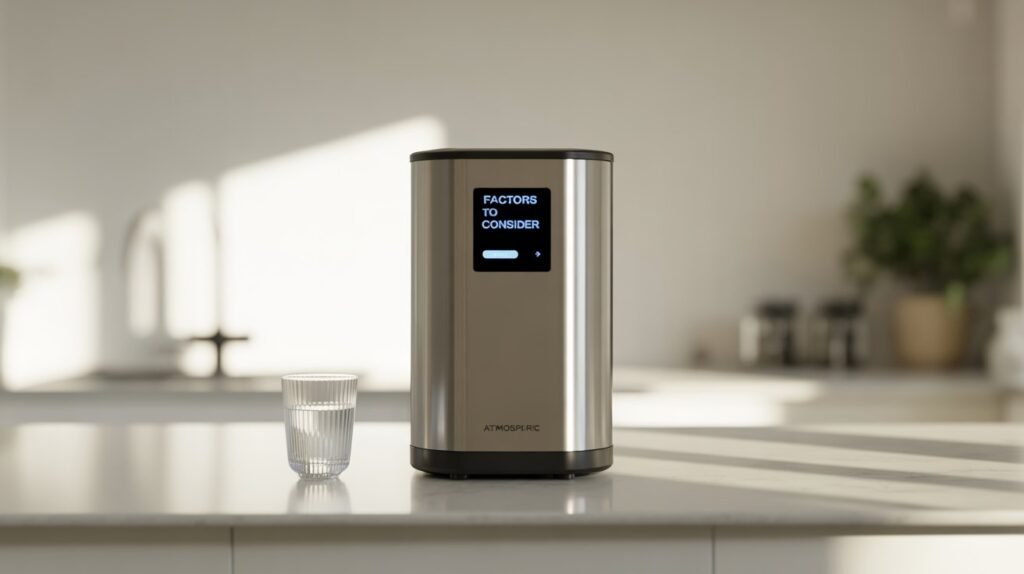
Factors to Consider Before Buying an Atmospheric Water Generator
Buying a water-from-air machine or H2O machine is a big decision. To make the most of your investment, here are key factors you must consider:
10.1. Climate and Humidity
AWGs work best in areas with at least 30% relative humidity.
The higher the humidity, the more water your water generator can produce.
- High humidity regions: Ideal for maximum output.
- Dry or desert regions: Machines may still work but with reduced efficiency unless you choose a desert water extraction device specifically designed for arid environments.
10.2. Daily Water Requirement
Think about how much water you need every day:
- A small household might need 10–30 liters per day.
- A business or school may require 100–500 liters daily.
- A community system might need 1,000+ liters daily.
Matching your needs with the right machine capacity ensures you won’t run short.
10.3. Power and Energy Efficiency
Most atmospheric water generators run on electricity, so it’s important to check power consumption. Look for energy-efficient models or those compatible with solar systems to save costs in the long term.
10.4. Maintenance
Filters need to be replaced, tanks cleaned, and systems checked regularly. Check:
- Filter cost and availability
- Service requirements
- Warranty terms
10.5. Budget
While entry-level units are affordable, high-output machines cost more. Compare the atmospheric water generator for sale listings carefully to match performance with your budget.
11. Environmental and Social Impact
Using a water-making machine is not only convenient but also good for the planet.
11.1. Reduce Plastic Waste
A water-from-air machine eliminates the need for bottled water, cutting down on plastic use and reducing landfill waste.
11.2. Save Groundwater
Every liter you produce from the air means less pressure on depleting groundwater resources, helping sustain ecosystems and farming.
11.3. Support for Remote Communities
Nonprofits and governments are deploying atmospheric water generators in rural areas to provide clean water, saving lives and boosting community health.
Future of Atmospheric Water Generation
Technology is evolving fast, and the future of pulling water out of the air looks promising.
12.1. Integration with Renewable Energy
Solar-powered humidity water collectors and wind-assisted machines are making AWGs even more sustainable.
12.2. Smarter Machines
Modern systems now use AI and IoT to adjust performance, reducing power costs and increasing water yield based on weather conditions.
12.3. Lower Costs
As adoption grows, the cost of atmospheric water generators is dropping, making them accessible to more households and businesses.
12.4. Large-Scale Solutions
Countries like Israel, India, and the UAE are investing in industrial-scale water extraction devices to provide millions of liters daily, showing how scalable this technology can be.
FAQs About Getting Water from Air
Is water from the air safe to drink?
Yes. The water produced by a water-from-air machine is filtered and purified, often exceeding WHO drinking water standards.
How much water can an AWG produce daily?
It depends on the size:
Home units: 5-30 liters/day
Commercial units: 100-1,000 liters/day
Industrial units: 1,000+ liters/day
Can AWGs work in deserts or dry regions?
Yes, but you need a desert water extraction device designed for low humidity. These machines often use advanced technology like desiccants to improve efficiency.
What’s the energy consumption?
A typical home unit uses around 200–400 watts of electricity, similar to running a small refrigerator.
How long does an atmospheric water generator last?
With proper care, most machines last 8–10 years or more.
Real-World Examples of AWG Success
14.1. Disaster Relief in Puerto Rico
After Hurricane Maria, portable water generators provided thousands of liters of clean water when traditional water lines were damaged.
14.2. Agriculture in the Middle East
Farmers in arid regions are using large-scale water extraction devices to hydrate crops, proving that getting water from the air can support sustainable agriculture.
14.3. Urban Homes
Families in big cities are now switching to H20 machines to avoid tap water contamination and plastic waste, showing the technology’s versatility.
Why Now is the Best Time to Invest
Global water stress is rising. According to the United Nations, over 2 billion people live in countries experiencing high water stress, and that number is expected to grow.
Investing in a water-from-air machine not only gives you independence but also ensures your family or business has a reliable water source during shortages or natural disasters.
Step-by-Step Guide to Start with AWGs
- Assess Your Needs: Daily water requirement, budget, and available space.
- Check Climate: Humidity levels in your region to choose the right type.
- Compare Models: Look for efficiency, maintenance costs, and warranty.
- Plan Maintenance: Know filter change schedules and cleaning needs.
- Purchase and Install: Get your atmospheric water generator for sale from a trusted supplier.
- Monitor Usage: Track water production and maintain your system for consistent performance.
Conclusion
The ability to get water from air is no longer just an idea – it’s a practical reality that can change how we think about water forever.
From a humidity water collector in your home to industrial-scale water extraction devices, the technology is accessible and effective.
By adopting this solution, you not only secure your own clean water supply but also contribute to a more sustainable planet.
Whether you’re a homeowner, a business, or a community leader, there’s never been a better time to explore atmospheric water generation and embrace this groundbreaking technology.
References
U.S. Geological Survey (USGS) – Water cycle and atmospheric moisture data
https://www.usgs.gov/special-topics/water-science-school/science/water-cycle
World Health Organization (WHO) – Drinking-water quality and safety guidelines
https://www.who.int/news-room/fact-sheets/detail/drinking-waterhttps://www.who.int/news-room/fact-sheets/detail/drinking-water